
The government is telling us that we have to prepare for future shocks – be it a pandemic, climate catastrophe, cyber attacks or war with Russia. There is pressure to cut welfare in order to fund warfare. And the rest of us are expected to start stockpiling for a future emergency. Wes Streeting laid it all out on Question Time last week. We should all have a supply of cash in case electronic payment systems crash. We should stock up on bottled water, make sure we have a landline if the digital network goes down, battery operated torches and radios, emergency supplies of canned food that we can eat cold in the event of power cuts. The only thing he did not mention was the need to get a gun so we could shoot our less prepared neighbours when they come to steal our stash.
Welfare
And why would they be less prepared? Perhaps they are low paid, reliant on the state pension or benefits and living day to day with no financial cushion. According to money.co.uk two fifths of adults in the UK have savings of £1000 or less. One in six adults in the UK have no savings at all. Then there are the families who rely on food banks. Over two million food parcels were delivered last year by the Trussell Trust alone, two thirds going to families with children. But many families living in poverty do not access food banks. One fifth of the population are living in absolute poverty once housing costs are met and that includes four million children. These figures are only going to get worse when the government cuts welfare spending to finance military spending.
The majority of people in the UK believe that climate change is a bigger threat than the likelihood of war. Yet defence spending, at £62.2 billion a year, is the seventh highest in the world in absolute terms. It is more than five times higher higher than the £59 billion allocated to combatting climate change over the next five years. And military spending is set to become seven times higher than spending on climate change by 2030.
Warfare
The government story, amplified in the media by so called defence experts and the intelligence services is that war is extremely likely and we have to be ready to fight, to suffer and see our children dying on the battlefields of Europe to defeat the Russian threat. There is already a battlefield in Europe – Ukraine – and the human cost of this war is staggering.
Between February 2023 and December 2025 the best estimates are that Russia has suffered 1.2 million casualties including 325,000 deaths. Ukraine has suffered 600,000 casualties including 140,000 deaths. The UN confirmed 15,850 civilian deaths as of May 2026. All independent estimates agree that the actual figures are probably much higher. Writing in his weekly newsletter for the iPaper, Patrick Cockburn cites estimates that currently Russia is sustaining casualties of 35,000 dead and seriously wounded every month. The figure for Ukraine is 27,000. EVERY MONTH!
If nuclear powers go to war with each other the threat of escalation, whether by accident or design, will likely lead to a nuclear holocaust. Our government should be doing everything in its power to end wars and reduce the threat of future wars instead of following policies of confrontation that increase the risks.
Whether or not we can avoid the headlong rush to war, Wes Streeting was right about one thing. We still face the threat of impending climate catastrophe, pandemics and cyber attacks. But is it fair to place the onus on individuals and families to prepare for the worst?
Society
Governments have always found money for wars but where are the preparations for civil emergencies? Instead of telling us all to start hoarding and devil take the hindmost they should be strengthening civil society and building resilience at a local level. We already have food distribution centres in every town. They are called foodbanks. Throughout the pandemic our local food bank was able to deliver food parcels to those in need. They have the skills and they know where the greatest need is.
Instead of us all buying bottled water by the gallon why not summon the water companies and ask them for their disaster planning in the event of a disruption to water supplies? Ditto the rest of our privatised ‘public’ utilities. I doubt it will happen. The Thatcher years (1979 – 1991), were effectively summarised by her quote in an interview with Woman’s Own in 1987, “There is no such thing as society.” Her reign as prime minister was marked by the privatisation of public services, the diminution of the state’s responsibilities towards its citizens and severe limitations on the ability of local government to meet local needs without recourse to private contractors.
This was never challenged by Labour, not even after Blair’s landslide victory in 1997. In fact ‘New Labour’ adopted so much of Thatcher’s ideology that when asked about her greatest achievement Thatcher replied: “Tony Blair and New Labour. We forced our opponents to change their minds.” (Conor Burns, April 11, 2008) Apart from a brief interlude under Jeremy Corbyn the Labour Party continues to be dominated by those who ‘change(d) their minds.’
Protest
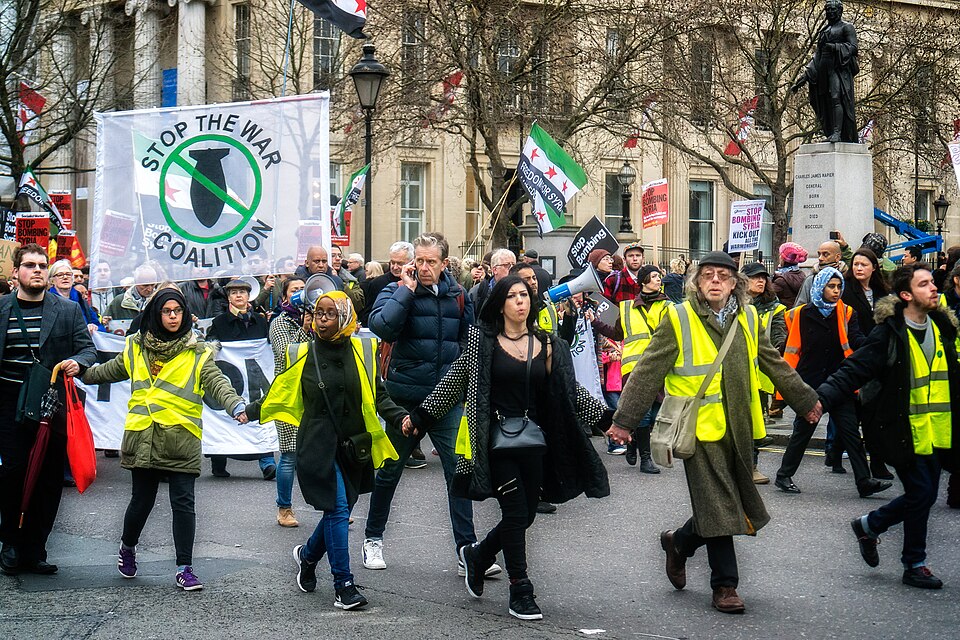
In this context rebuilding civil society and challenging the orthodoxy of neoliberalism go hand in hand. It also means an uncompromising challenge to Labour. They are no longer part of the politics of resistance. There was a campaign in the 1970s to persuade us that we could take similar measures to those outlined by Wes Streeting in the event of a nuclear war. It was called “Protect and Survive” and provoked a massive backlash around EP Thompson’s pamphlet, “Protest and Survive.” Most of the threats we face today are man-made and arise from the unbridled power of, and competition between, rival capitalist blocs. And the answer is the same. We have to reject the ruling class agenda and protest to survive.

Discover more from Penumbrage
Subscribe to get the latest posts sent to your email.